
ARCHAEOLOGY
Since the discovery of the Radiocarbon Dating method by Willard F. Libby in 1949, Archaeological Science can afford to “pinpoint past events in time so as to drive back history into prehistoric periods and to more clearly delineate what really did happen in the development of man” (Willard F. Libby – Nobel Lecture, 1960, see figure), thanks to the possibility to use the cosmogenic isotope 14C as a natural chronometer. The age of all archaeological findings of organic origin, whether they are animal bones or charcoals or wooden painting supports, may be determined, provided they are younger than 50,000 years and posterior to the beginning of the industrial era.
In the late 1970s a new revolution was introduced in Archaeology by the ultrasensitive measurement of the isotopic ratio 14C/12C by Accelerator Mass Spectrometry (AMS), allowing the determination of the age of tiny amounts of organic remains (a few millionths of one gram). The development of software originally aiming at the calibration of radiocarbon dates is nowadays providing powerful tools for the implementation of chronological models that integrate the knowledge of archaeological origin with the experimental data, thus enhancing the investigation robustness and precision. ISOCORE offers assistance in all phases of chronological studies, from specimen sampling to data analysis (Opportunities ).
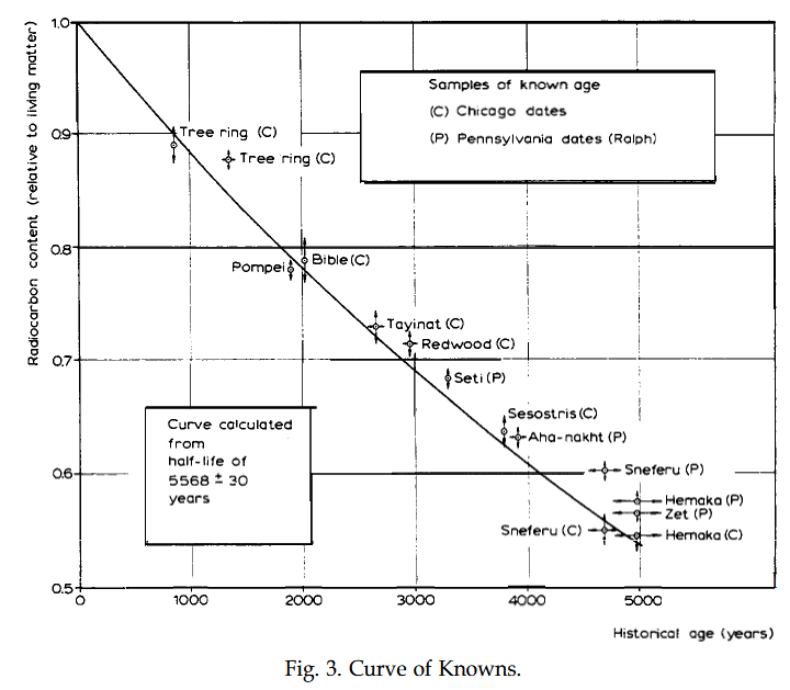
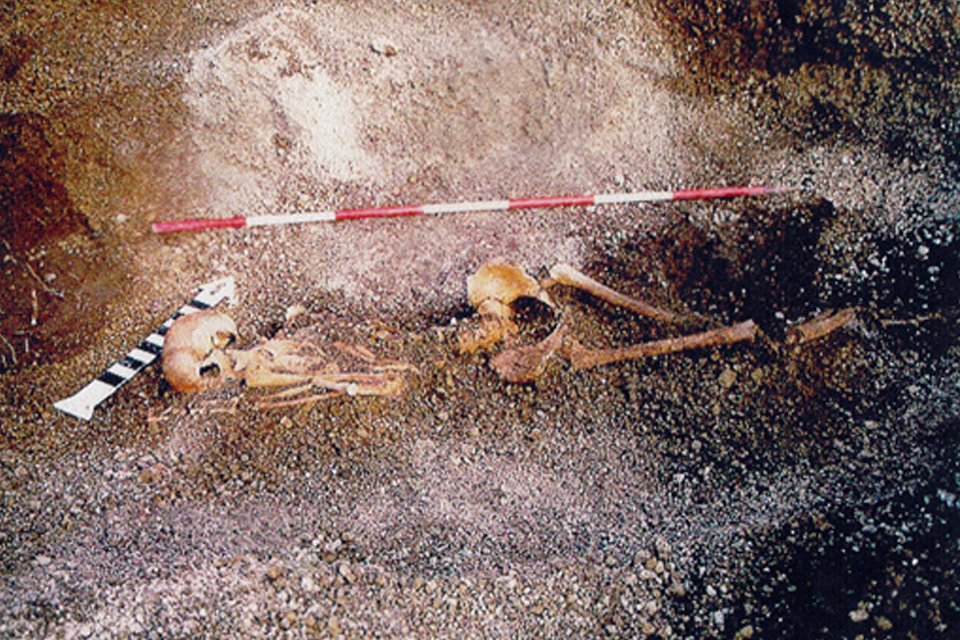
Stable isotopes such as those of light and heavy elements can support archaeological sciences because they can provide information about the age (indirectly) and origin of ancient materials and deposits thanks to isotope fractionation.
In particular, Isotope Ratio Mass Spectrometry (IRMS) of C and N isotopes provide important information about the dietary habits of ancient populations. Provenance studies take enormous advantage of Inductively Coupled Plasma Mass Spectrometry (ICP-MS) by means of high precision measurements of isotopic abundances of elements such as Strontium, Lead and Neodimium. In details measurements of radiogenic Lead (208Pb, 207Pb, 206Pb) and Strontium (87Sr) isotope ratios can be utilised to reconstruct respectively the origin of metals and organics in ancient manufacts and bones. In contrast to the bones, Sr is no longer exchanged in tooth enamel after the age of 4, allowing to evaluate birth or early stages of life provenance basins.
ISOCORE also bolsters archaeologists with the determination of the chemical element composition of ancient artifacts and coins by X-ray Fluorescence analyses.