Isocore
Isocore
  • Home
  • Lab Services
    • Accelerator Mass Spectrometry
      • Radiocarbon Dating
      • Bomb Spike
      • Bio-Based
      • Nuclear wastes
    • Isotope Ratio Mass Spectrometry
    • Inductively Coupled Plasma Mass Spectrometry
    • Scanning Electron Microscopy
      • Morphological Analysis
      • Elemental Analysis
    • Radioactivity
      • γ-ray Spectroscopy
      • Scintillation Spectroscopy
    • X-ray fluorescence
    • Ion Implantation
      • Wear measurement
  • Application Fields
    • Archaeology
    • Agrifood
    • Artwork identification
    • Environmnent
    • Forensic
    • Industry
  • Contacts
    • Send a request
  • Opportunities
    • Ask for assistance
  • News
  • Request a quote
×
Search Results View Cart Checkout

RADIOCARBON
DATING


The radioactive Carbon isotope ¹⁴C is a natural chronometer used in a very wide range of applications, among which Radiocarbon dating is the best known and widely used for the determination of the age of findings of organic origin up to about 50,000 years. The discovery of the ¹⁴C dating method by Libby in 1949 revolutionized both archaeology and geology, and later was applied in fields spanning from biomedicine to climatology, from hydrology to oceanography, from environmental physics to volcanology.
¹⁴C is a cosmogenic isotope, as it is produced by interactions induced by cosmic rays with atmospheric nitrogen (¹⁴N). Its abundance reaches equilibrium in the atmosphere and the biosphere, so that the ¹⁴C/¹²C isotopic ratio of all organisms is constant during their life, while after their death it decreases exponentially with a mean life of about 8,300 years. The measurement of its present value in the remains allows then the determination of the time passed since the cessation of Carbon absorption by the organism. This age is quoted in years “before present”, where present is conventionally 1950 AD. Its uncertainty, typically of the order of 20 years, may result in larger or smaller calibrated age ranges, depending on the behavior of the calibration curve in the relevant period. 


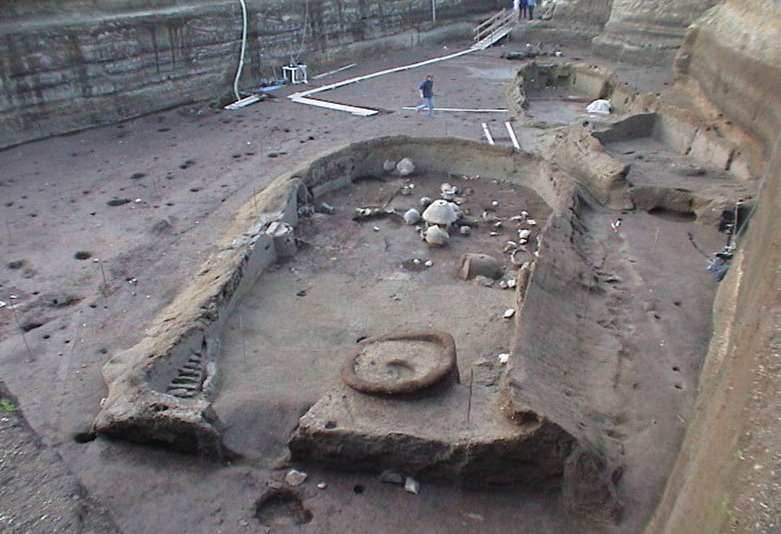
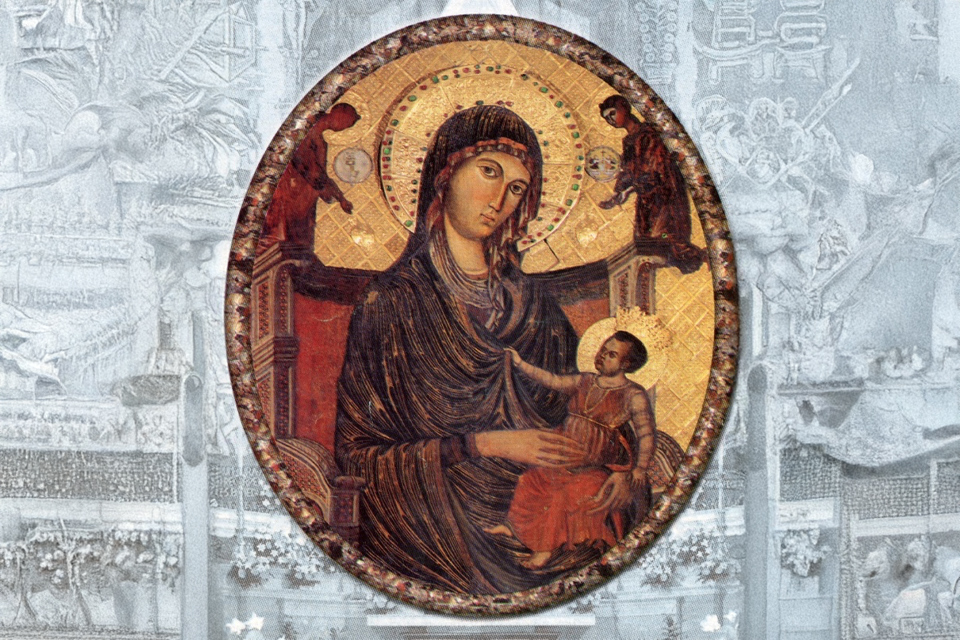
ISOCORE performs since 2005 high-precision radiocarbon dating measurements of samples (such as wood , charcoal, seeds, shells, forams, bones, teeth , textiles, paper, peats, paleo soils, soil organic matter, tree-rings), mainly archaeological finds and artistic master-pieces.  For most of these sample kinds a tiny amount (less than one milligram) of the raw specimen is needed, thanks to the use of the accelerator as an element of the mass spectrometer. 

The radiocarbon dating is applicable to prehistoric or historic artifacts whose presumed age is prior 1700 CE, with a precision of ± 20 years. After that date, due to the so-called “Suess effect”, the method is not able to precisely distinguish among a dataset of different dates falling within the 1700 – 1955 CE interval. Moreover, thanks to anthropogenic production of ¹⁴C due to nuclear bomb testing in the atmosphere during the postwar period, the method is able to date, with higher precision (of the order of one year), a sample older than 1955 CE. 
ISOCORE
STANDARD
PROTOCOLS 

Acid/ Alkali/ Acid
Cellulose extraction
Acid washes
Collagen extraction
Carbonate extraction
CRYO2SONIC
Combustion
Acid Digestion
Graphitization

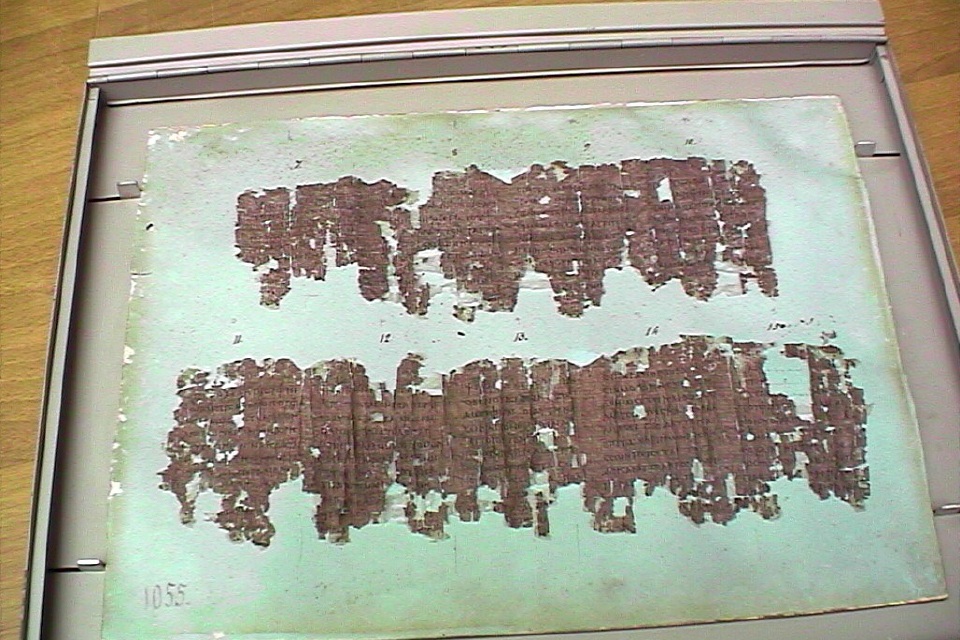
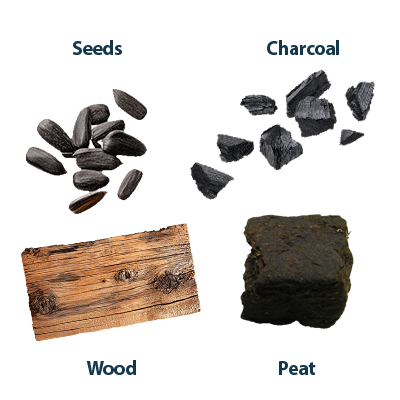
This treatment, used for most organic material types, such as wood, charcoal, seed, vegetal remains, peat, removes carbonates by hot HCl attack and humic acids by hot NaOH attack. The basic phase adsorbes the CO2 atmospheric so a final HCl attack is applied to remove it. The sample is rised until neutral, dried and ready for combustion. The duration and temperature of the treatment varies according to the fragility of the sample.
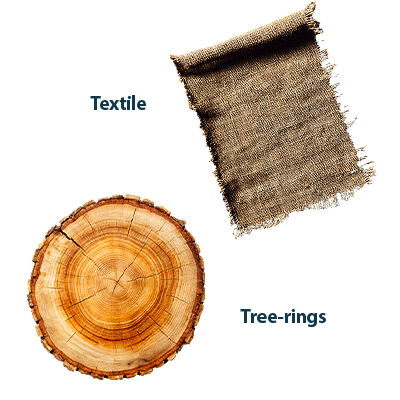
The cellulose extraction treatment, typically used for tree rings, is applied also  to clean textile and paper samples. In addition to the AAA treatment, a bleaching  with sodium chlorite (NaClO2) is applied until the sample is bleached. This procedure eliminate the lignin and extract only the α-cellulose.

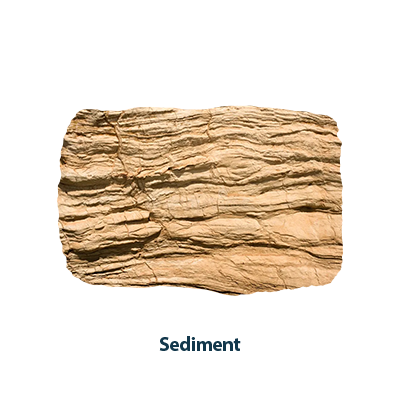
This protocol is typically applied to organic sediments. After a preliminary fine-mesh sieving to remove the big size exogenous material, the sediment is repeatedly washed by HCl at hot temperature, until all carbonates are removed. Then neutralized and dried in oven. For paleosoil sample, a further  basic attack is applied to dissolve humic acids which will then be precipitated by concentrated HCl, rised until neutral and used for dating.

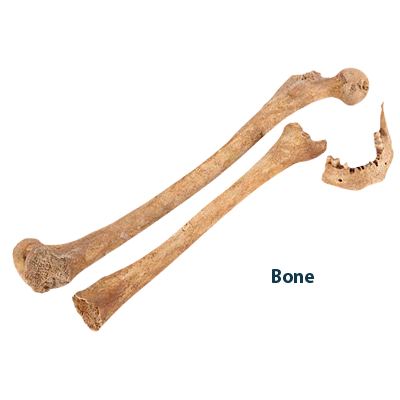
This procedure is applied to bones, with the aim to remove the endogenous inorganic part (calcium hydroxyapatite), the exogenous element such as humic acids and to extract the collagen in the form of a gel. The AAA protocol is used at room temperature, with several HCl washes to ensurance all carbonates are removed. Follow a gelatinization phase of collagen and dried by freeze-drying.

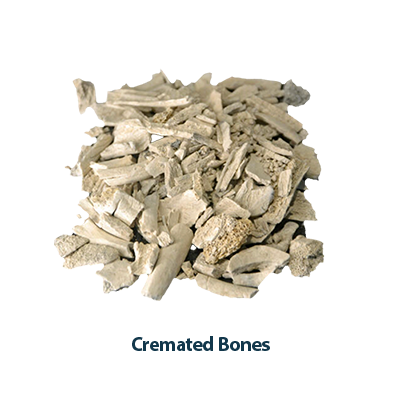
This procedure is used for cremated bone samples. Archaeological cremated bones are typically subjected to high temperatures, generally ranging from 600°C to 1000°C during the cremation process. During this process the bioapatite crystallizes and does not susceptible to carbonates contamination over time. After a preliminary mechanical cleaning of the bone, it is treated with NaClO for 48 hours, during which the solution is changed more time, then with CH3COOH solution for 24 hours. The sample is then rinsed by ph3 solution and freeze-dried before acid digestion.

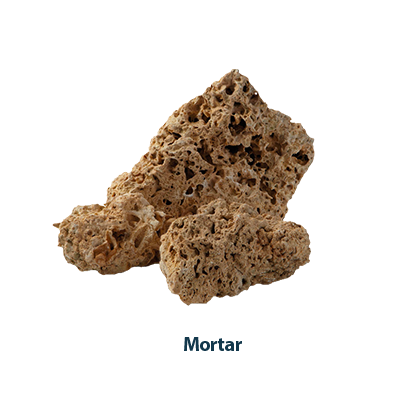
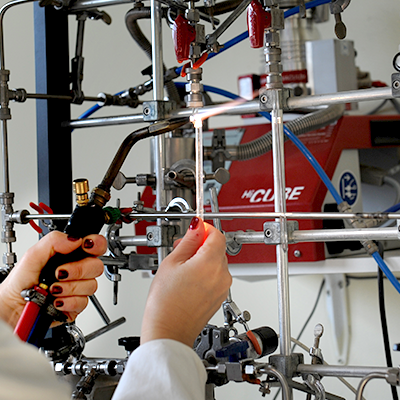
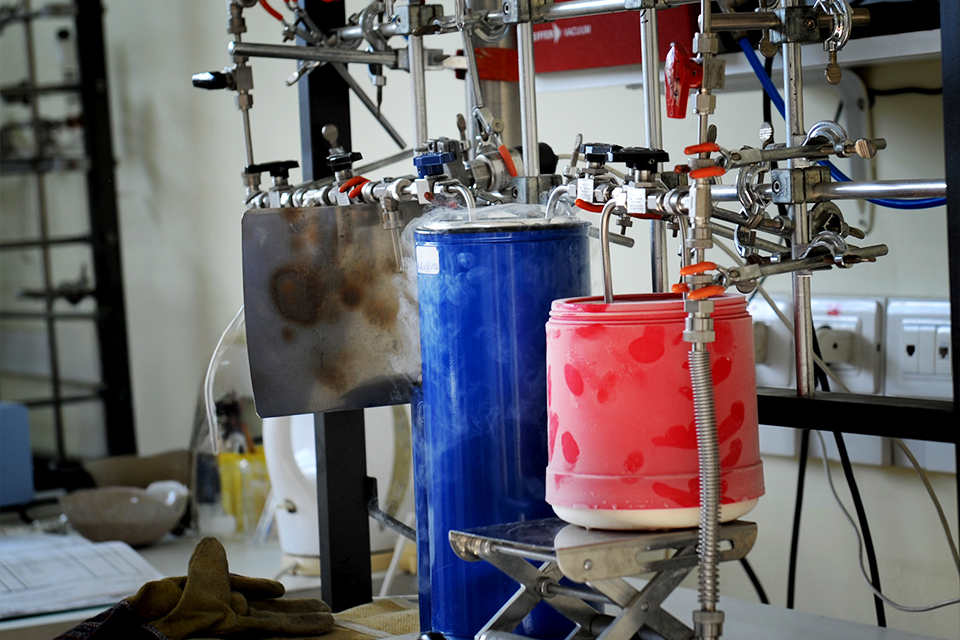
This protocol is used for mortar samples. Liquid N2 (-196°C) and several ultrasonication steps are used to eliminate old limestone and extract the calcite. The calcite traps CO2 from the atmosphere during its solidification and gives indications when the mortar was formed, therefore on dating.

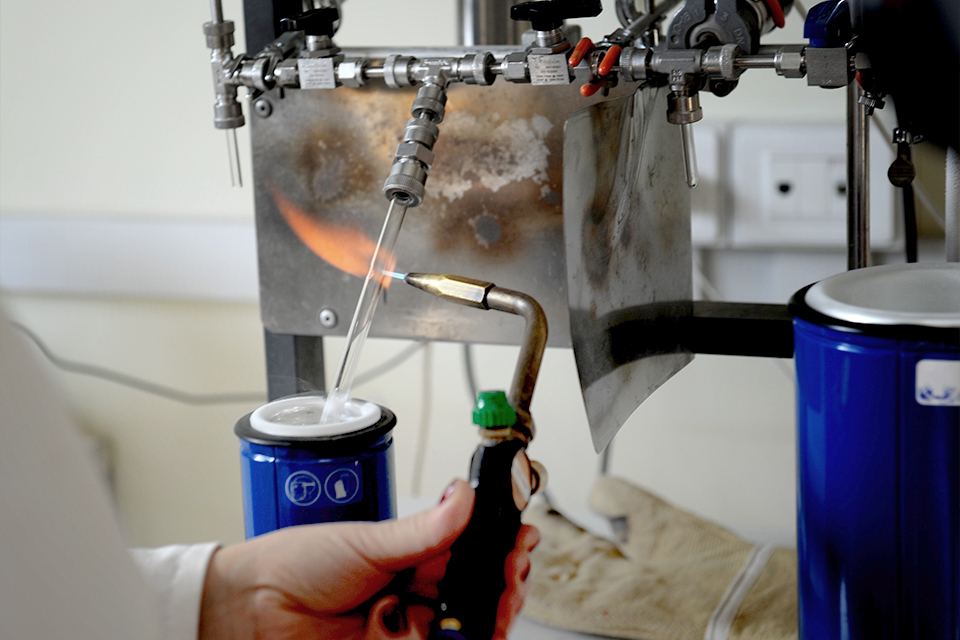
The combustion process involves organic samples, chemically treated, or non treated samples such as bioplastics. The combustion process occurs at T=900°C inside a sealed quartz tube where a weighetd sample together with CuO grains are present. The amount of the material added depends on the type of material. The produced CO2 is purified inside a high vacuum cryogenic line from H2O, non-condensable gases and other oxides different from CO2 and ready to pass at the succesive phase, the reduction process (graphitization phase).

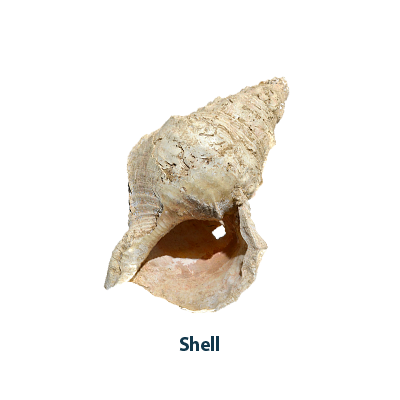
This protocol is applicable to carbonate samples (shell, forams, mortar). The sample is placed in a specificous apparatus and after evacuated, the carbonate reacts with concentrated H3PO4 added. The reaction produces CO2 gas, which is purified inside a high vacuum cryogenic line from H2O and ready to pass at the succesive phase, the reduction process (graphitization phase).

The CO2, obtained via combustion or acid digestion, is purified through a cold solid trap (-45/70˚C) to remove water and is trapped by liquid N2 (-196°C) under a high vacuum cryogenic line in a reduction reaction pyrex tube, ready for the so-called “Zinc Reaction”.  The Zn and TiH2, both in powder, are used in the reduction reaction which happens between 500-550°C in a muffle oven. This method allows to graphitize more samples simultaneously and a greater yield.

MATERIAL

GUIDELINES 

Materials

Required mass (mg)

Wood

10-40

Charcoal/Seed

10-30

Shell/Forams

10-20

Bone/Tooth

Cremated bone

500-2000

2000-3000

Textile/Paper

20-40

Peat

50-100

Paleosoil

5000-8000

Soil Organic matter

1000-2000

Tree-ring

5-8

Mortar

20000-30000

Bioplastic

 2-10

Isocore

ISOCORE is a leader in applied research and scientific innovation, committed to providing cutting-edge solutions in physics, mass spectrometry and advanced technologies.


393 174 5697

Viale Carlo III di Borbone, 153 - 81020 San Nicola La Strada (CE), Italia

© Copyright 2025 - TobeAdv